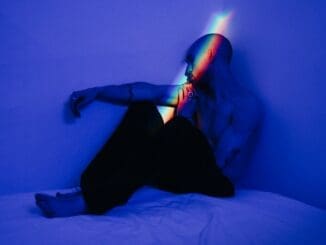
We’ve all been there. You moved to Boystown or Andersonville for the community, the nightlife, and the promise of a “gay utopia.” But lately, the neon lights of Northalsted feel more draining than dazzling. Maybe the thought of another Sunday Funday makes you want to nap for a week, or you feel like you’re performing a version of yourself that doesn’t quite fit anymore.
As a gay male therapist in Chicago, I hear this in my office every week. It’s called Scene Fatigue, and in a city with one of the most robust LGBTQ+ populations in the world, it can actually feel incredibly lonely.
If you’re feeling burned out, here is how to navigate the “Chicago Shift” and reclaim your sense of self.
Why the “Scene” Hits Different for Gay Men
As gay men, many of us grew up with a “social deficit”—years spent hiding our true selves. When we finally find a community like Northalsted or Andersonville, we often overcompensate by trying to do and be everything at once. This is what psychologists call the “Best Little Boy in the World” syndrome, translated into adult social life. We aren’t just going to a bar; we are subconsciously looking for the validation we missed out on in our youth. Recognizing that your burnout might be tied to this performance of “perfection” is the first step toward healing.
1. Acknowledge the “Boystown Burnout”
Chicago’s gay scene is high-energy and high-visibility. Between Market Days, Pride, and the weekly circuit at the bars, there is a subtle, unspoken pressure to always be “on”—fit, fashionable, and fun.
Burnout happens when your social life becomes a series of obligations rather than a source of joy. If you find yourself scrolling through Instagram feeling “less than” or if the bars feel like a stage where you’re just an extra, it’s time to step back. Your worth isn’t measured by your visibility on Halsted. And it is worth noting this is a topic that comes up often in our Boystown therapy office.
2. Trade the “Circuit” for the “Quiet”
Chicago has more to offer than 4:00 AM bar licenses. When the scene feels too loud, look for “low-stimulation” queer spaces that don’t involve a velvet rope:
-
The Bookstore Reset: Spend an afternoon at Women & Children First in Andersonville or the Gerber/Hart Library. These spaces offer connection without the pressure of a cocktail in hand.
-
The Coffee Crawl: Trade a night out for a morning at Kopi Cafe, M. Henry, or Eli Tea Bar—a great Andersonville spot specifically known for its sober-friendly vibe.
-
The Culture Fix: Visit the Leather Archives & Museum in Rogers Park or take a quiet walk along the Legacy Walk to reconnect with the history behind the neighborhood.
3. Redefine Your “Gayborhood”
If the 60657 ZIP code feels like too much, remember that Chicago’s queer community is geographically diverse.
-
Andersonville: Often offers a more “grown-up,” relaxed pace with a focus on local shops and gastropubs like Hopleaf.
-
Uptown and Rogers Park: Have thriving, diverse queer pockets (like Big Chicks or The Glenwood) that often feel less “sceney” and more “neighborhoody.”
-
The Lakefront Reset: While Kathy Osterman (Hollywood Beach) is the famous “gay beach,” the northern end near Edgewater offers a much quieter, meditative vibe for a solo bike ride or walk.
4. Audit Your Social Battery
In therapy, we often talk about “Values-Based Living.” Ask yourself: Am I going to this event because I want to, or because I’m afraid of being forgotten?
-
Set Boundaries: It is okay to say “no” to the third brunch in a row. Your friends will still be there next weekend.
-
The Sobriety Shift: The Chicago scene is heavily centered around alcohol. If your social life feels tied exclusively to drinking, try a “dry” activity like a trip to the Lincoln Park Conservatory or joining the Scene-Free LGBT Chicago meetup group.
5. Find Connection Beyond the Aesthetic
The “scene” often prioritizes the external—how we look and who we know. Burnout is often a cry for internal connection. Some clients have shared with us that they even get burned out when going to places like Steamworks.
If you’re feeling disconnected, look for community in interest-based groups. Whether it’s the Chicago Gay Men’s Chorus, a queer sports league (like CMSA), or a gaming group at Replay, finding a shared hobby provides a much deeper sense of belonging than a crowded dance floor.
Common Questions About Gay Social Burnout
-
Is it normal to feel lonely in a crowded bar in Boystown? Absolutely. Loneliness isn’t about the absence of people; it’s about the absence of connection. If you’re “performing” a version of yourself, you’ll feel lonely no matter how many people are around you.
-
How do I tell my friends I’m taking a break from the scene? Authentic friends will respect your boundaries. Try saying, “I’m focusing on my mental health/sleep this month, so I’m skipping the late nights, but I’d love to grab coffee on Saturday morning.”
-
Does “leaving the scene” mean I’m losing my community? Not at all. It means you are finding a more sustainable way to exist within it. Community is about shared values, not just shared dance floors.
Moving Beyond the Burnout
Feeling burned out on the scene doesn’t mean you’re “failing” at being gay. It means you’re evolving.
Sometimes, navigating this transition—from the high-energy “scene” to a more authentic, grounded life—requires a bit of outside perspective. If you’re feeling lost in the crowd or struggling to find your place in Chicago’s LGBTQ+ community, talking to a therapist who “gets it” can make all the difference.
Ready to write your next chapter? Our team of gay therapists in Chicago specializes in helping men navigate the unique pressures of our community.